
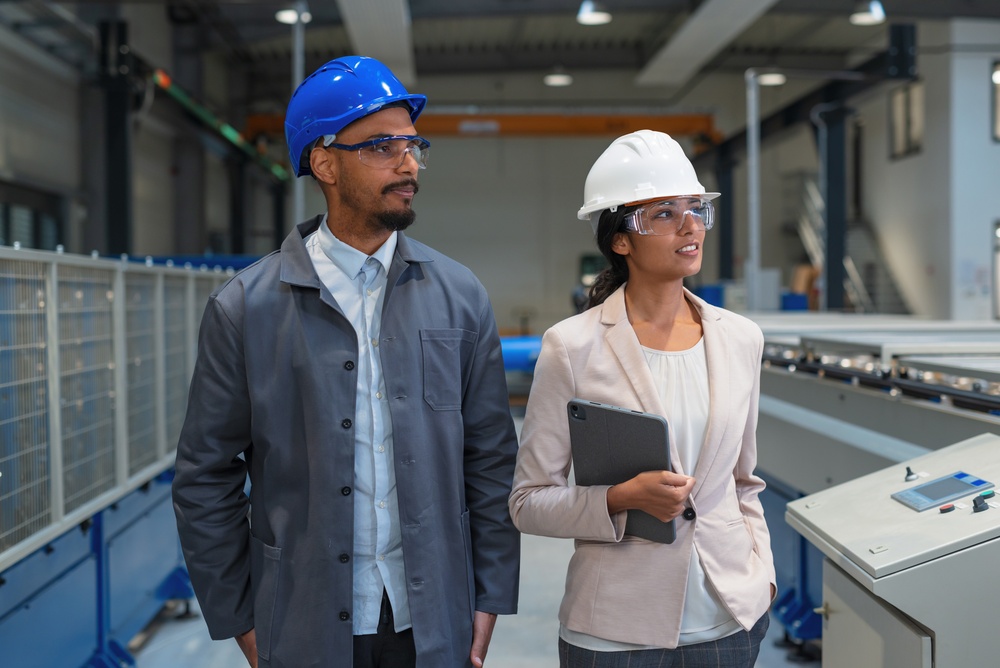
After several years of “wait and see,” U.S. manufacturers are finally moving dirt again. New tariff policy, infrastructure spending, and supply chain realignment have manufacturers, fabricators, and contractors greenlighting projects that were stuck in planning for years: new lines, new facilities, new equipment, new everything.
There’s just one problem – announcing a plant is the easy part. Staffing it is where reshoring plans go to die.
The Skilled Labor Shortage Is the Real Bottleneck
Every conversation about reshoring eventually circles back to the same issue. In a recent survey of original equipment manufacturers, workforce quality and availability ranked ahead of taxes, currency, and even tariffs as the top factor that would drive more production back to the U.S.
The numbers explain why. Industry research points to hundreds of thousands of unfilled manufacturing positions today, with projections that millions of roles could go vacant by the early 2030s if the talent pipeline doesn’t catch up. Roughly one in five manufacturing plants is already running below full capacity simply because there aren’t enough qualified people to staff the lines.
Where the Pinch Points Are
Not every role is equally hard to fill, but a few categories are becoming genuine bottlenecks for companies trying to scale up domestic production:
Automation and controls engineers. PLC programming, SCADA systems, robotics integration — these are specialized skills built over years, not weekends, and the pool of experienced candidates is small and in extremely high demand.
Electrical and instrumentation engineers. Semiconductor fabs, EV battery plants, and energy projects are all competing for the same narrow band of talent, often at the same time, in the same regions.
Experienced operators and technicians. As plants adopt smart manufacturing and AI-enabled equipment, the bar for “skilled” keeps rising. Operators now need to interpret data and troubleshoot in real time, not just run a machine — and traditional hiring pipelines weren’t built to find people with both skill sets.
Project managers, estimators, and supervisors. Every new facility needs leadership on-site from day one, and these roles are often the hardest to backfill because the best candidates are already running projects somewhere else.
What Manufacturers Can Do Now
A few practical shifts can make a real difference heading into the next wave of plant openings and expansions:
- Start the search before the building is finished. The lead time for finding specialized engineering and automation talent often outlasts the construction timeline itself. Waiting until a facility is ready to staff is waiting too long.
- Widen the geographic net. The talent isn’t always local anymore — especially for highly specialized controls and automation roles. Companies willing to recruit nationally, and offer relocation support, have a much deeper bench to pull from.
- Don’t underestimate retention. Every competitor chasing the same talent pool means your current top performers are getting calls too. A strong hiring strategy and a strong retention strategy are really the same strategy.
- Move fast — but not careless. A streamlined, well-organized interview process protects both speed and quality. Candidates notice when a company is disorganized, and in this market, they have options.
Where RHA Comes In
Russ Hadick & Associates has spent over 40 years building relationships with engineering, manufacturing, construction, and technical talent across the country, long before “reshoring” was a headline.
- We know where the talent is, even when it isn’t local. Our nationwide network means we’re not limited to the same shrinking regional pool everyone else is fishing from.
- We move quickly without cutting corners. Our search process is built to identify, vet, and present qualified candidates fast because in this market, fast is often the difference between hiring your top choice and hiring whoever’s left.
- We understand the roles, not just the resumes. From automation engineers to plant managers to project estimators, we know what “qualified” actually looks like for these positions, and we don’t waste your time with candidates who don’t fit.
If your company is planning a new facility, expansion, or production line in the next 12–18 months, the time to start building your team is now, not after the ribbon-cutting. Contact Russ Hadick & Associates to build a hiring strategy that keeps pace with your project timeline.

